
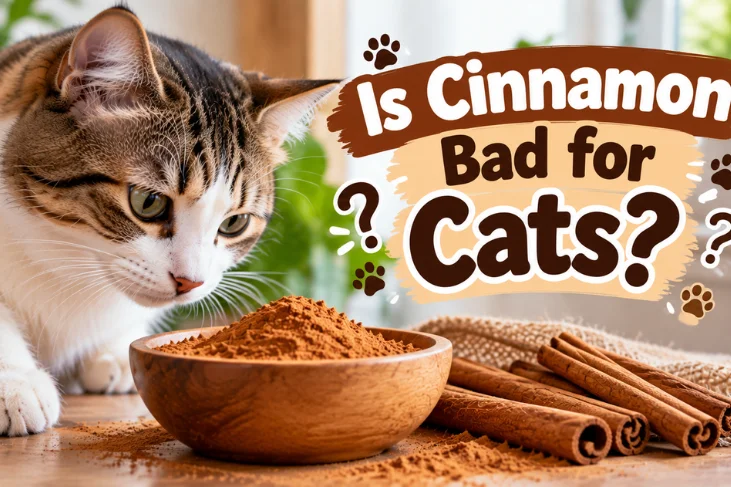

If you’re asking, “Is cinnamon bad for cats?” the answer is nuanced. A tiny accidental taste of the plain spice is usually low risk. Concentrated oil, inhaled powder, or a large exposure can require veterinary advice. The ASPCA does not classify plain cinnamon in tiny accidental amounts as toxic to cats.
Still, powder can irritate the mouth, stomach, and airways, while concentrated essential oil can poison cats. Large exposures, inhalation, oil contact, or any symptoms warrant prompt veterinary or poison-control advice.
| Exposure | Typical concern | Practical response |
|---|---|---|
| Tiny taste of plain spice | Usually low concern if the cat stays normal | Remove access and monitor closely. |
| Ground powder | Mouth, stomach, or airway irritation | Watch for coughing, drooling, or vomiting. |
| Chewed spice stick | Oral or digestive irritation | Remove pieces and monitor for symptoms. |
| Essential oil or extract | Higher poisoning risk | Contact a veterinarian or pet poison service promptly. |
| Heavy powder or oil inhalation | Respiratory irritation or more serious effects | Move the cat to fresh air and seek advice. |
| Flavored baked food | Risk depends on the amount and other ingredients. | Check the complete ingredient list. |
Key Takeaways
- The ASPCA lists the plant itself as non-toxic to cats.
- Powder can irritate the mouth, stomach, throat, and airways.
- Concentrated essential oil creates a different and more serious risk.
- Breathing trouble, tremors, repeated vomiting, or weakness need prompt veterinary attention.
- Never induce vomiting or give a home antidote without professional instructions.
Is Cinnamon Bad for Cats? What the Evidence Says
The ASPCA lists the cinnamon plant as non-toxic to cats. That classification does not mean every exposure is harmless. The spice can irritate the mouth, throat, stomach, and airways. Risk rises when the amount or concentration rises. Current veterinary-reviewed guidance advises against intentionally feeding the spice to cats. Cats gain no needed nutrition from this seasoning. A tiny lick may only need monitoring when your pet remains normal. Larger ingestions deserve professional guidance.
This distinction helps explain why online answers can seem contradictory. The plant can be non-toxic, but concentrated products can still pose real hazards. Form, dose, exposure route, and symptoms all affect the response. Treat the product in front of you, rather than relying on one broad label. Houseplants raise the same question, which our guide to whether peace lilies are toxic to cats works through.
Why the Form and Amount Matter
Household exposures can differ greatly in concentration and route. A dusting on food is not comparable with a bottle of essential oil. Swallowing, inhaling, and skin contact can also produce different problems. Dose is also hard to judge because the spice itself varies. A 2010 analysis in the Journal of Agricultural and Food Chemistry found coumarin in cassia cinnamon sticks ranging from undetectable to about 10,000 mg/kg.
Coumarin is a liver toxin in laboratory animals, so a heavy exposure is not the same as a pinch. Your response should match the product and the symptoms.
Ground Powder and Spice Sticks
Ground powder is easy to inhale while a cat investigates a spill. Inhalation may trigger coughing, choking, or breathing difficulty. Swallowed powder can irritate the mouth and digestive tract. A chewed stick can cause similar irritation without offering nutritional value.
A minor spill does not automatically mean an emergency. Clean the area before your pet walks through the powder and grooms afterward. Watch for coughing, drooling, vomiting, or changes in normal behavior. Contact your veterinarian if the amount is substantial or symptoms begin.
Essential Oils and Diffusers
Cinnamon oil is much more concentrated than the kitchen spice. VCA lists this oil among essential oils poisonous to cats. Skin exposure and swallowing can both create serious risk. Cats may also ingest residue later while grooming. Diffuser type matters because active models can release tiny oil droplets. Pet Poison Helpline says those droplets may settle on a cat’s coat.
Passive diffusers mainly raise concern for respiratory irritation unless liquid contacts the animal. Any breathing change after fragrance exposure deserves prompt attention. Cats also have particular difficulty processing certain essential-oil compounds. Young animals and cats with liver disease can be more sensitive. This makes direct application especially inappropriate without veterinary direction. Store concentrated bottles out of reach so pets cannot knock them over.
Symptoms That Can Follow Exposure
Mild exposure may cause drooling, mouth irritation, vomiting, or diarrhea. Powder inhalation can cause coughing, wheezing, or labored breathing. More serious oil exposures may cause weakness, tremors, or poor coordination. Essential-oil poisoning can also produce more serious systemic effects.
Watch your cat closely after any meaningful exposure. Pay close attention to breathing changes because respiratory problems can worsen quickly. Open-mouth breathing is abnormal for a resting cat. Severe weakness, tremors, or collapse also justify urgent veterinary care. If a fragrance or powder caused respiratory irritation, move your pet into fresh air. Do not force-feed food, milk, or other home remedies.
If signs do not quickly resolve, seek emergency veterinary treatment. Pet Poison Helpline gives the same fresh-air advice for fragrance-related respiratory symptoms.
What to Do if Your Cat Ate Cinnamon
Start by removing the source so your cat cannot take another bite. Check whether your pet is breathing and behaving normally. Note the product, estimated amount, and exposure time. Keep the package or ingredient label for the veterinarian.
- Remove the spice, food, oil, or diffuser from your cat’s reach.
- Move your cat to fresh air after inhalation or exposure to strong fragrances.
- Never induce vomiting unless a veterinarian specifically instructs you.
- Avoid milk, oil, charcoal, or another home remedy without professional advice.
- Call your veterinarian after a large, concentrated, inhaled, or symptomatic exposure.
The Pet Poison Helpline specifically advises owners against home antidotes or unapproved vomiting attempts. It recommends removing the animal from the source and checking normal breathing first. Seek veterinary help if an exposure may be harmful. U.S. owners can call ASPCA Animal Poison Control at 888-426-4435.
The Pet Poison Helpline is available 24/7 at 855-764-7661. Both services may charge a fee, while serious symptoms warrant a local emergency clinic.
When to Seek Emergency Veterinary Care
Essential oil exposure deserves a lower threshold for professional advice. The same applies after significant inhalation or when the amount is uncertain. Do not wait for symptoms after meaningful contact with concentrated oil. Fast action gives the veterinary team better information and more options.
| Situation | Recommended urgency |
|---|---|
| Difficulty breathing, wheezing, or open-mouth breathing | Emergency veterinary care now |
| Tremors, collapse, severe weakness, or poor coordination | Emergency veterinary care now |
| Essential oil swallowed or spilled on fur | Prompt a veterinarian or poison control call. |
| Large powder ingestion or heavy inhalation | Prompt a veterinarian or poison control call. |
| Tiny food tastes with no symptoms. | Remove access, monitor, and call if anything changes. |
Oil on the fur also creates a second exposure route through grooming. VCA notes that essential oils can be absorbed orally or through skin. A veterinarian may recommend decontamination based on the product involved. Do not experiment with household treatments before getting professional instructions.
Are Cinnamon Rolls and Other Baked Foods Safe?
A bakery item creates a different question because the recipe contains multiple ingredients. Sugar, fat, dairy, chocolate, or other flavorings may add separate concerns. Veterinary-reviewed pet guidance advises against intentionally sharing flavored baked goods with cats. Check the full ingredient list after any accidental bite.
A tiny crumb from an ordinary baked item may not cause illness. Still, a large portion or an unknown recipe deserves a veterinarian’s opinion. Chocolate-containing foods need special caution because chocolate can poison cats. Bring the packaging when you call so they can review the ingredients.
Avoid turning human desserts into occasional feline treats. Complete cat food already provides nutrition designed for the species. Human-baked foods offer little benefit while introducing unnecessary ingredients. Cat-specific treats are the simpler choice.
How to Reduce the Risk at Home
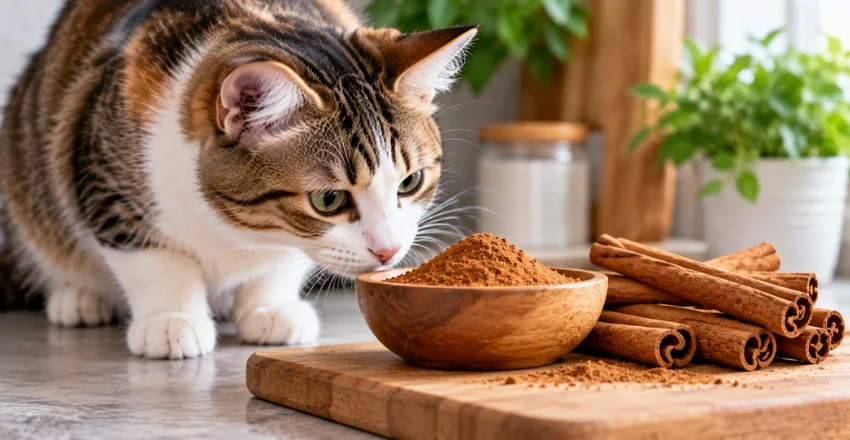
Store spice containers and concentrated oils inside closed cabinets. Clean powder spills before a curious cat walks through them. Keep oil bottles and diffusers out of reach so they cannot tip onto fur. Avoid applying essential oils directly to a cat without veterinary direction. Pet-proofing should cover more than kitchen ingredients.
Houseplants, scented products, and cleaning supplies also carry hazards. Common names and product labels can hide important safety differences. Checking exposures before they happen can prevent stressful emergency calls. Readers can also browse our everyday pet care and safety guides for related household topics. Owners with dogs may find the site’s Maltipoo grooming guide useful too. Keeping reliable care resources in one place makes routine pet ownership simpler.
The Bottom Line for U.S. Cat Owners
The plain spice is not classified as toxic by the ASPCA, but it is not a suitable cat treat. Powder can irritate, and concentrated oil creates a much greater hazard. Most tiny tastes need monitoring, while larger, inhaled, or oil exposures deserve professional advice. Save your veterinarian’s after-hours number and both U.S. poison-control numbers before an accident happens.
Keep the product packaging nearby so you can read the ingredients over the phone. Quick access to reliable guidance makes household pet safety easier.
What should I do if a kitten is exposed?
Kittens can be more vulnerable to essential-oil effects than healthy adult cats. Remove the product and check breathing and behavior immediately. Contact a veterinarian promptly if there is oil exposure, significant ingestion, or symptoms. Do not try to make a kitten vomit at home.
Frequently Asked Questions
Is cinnamon bad for cats if they only lick a little?
A tiny accidental lick of plain spice is usually low risk if the cat stays normal. Remove the remaining material and watch closely for digestive or breathing changes. Call a veterinarian if symptoms appear or the amount is uncertain. Concentrated products require more caution.
Can cats eat cinnamon powder?
Do not intentionally offer the powder as food or a treat. It has no necessary nutritional benefit for cats. Fine particles can irritate the mouth and stomach. They can also enter the airways when a cat sniffs a spill.
Is cinnamon essential oil safe around cats?
Concentrated oil can be poisonous if swallowed or absorbed through the skin. Active diffusers may also place tiny droplets onto fur. Cats can ingest that residue while grooming themselves. Speak with your veterinarian before using essential oils around cats.