
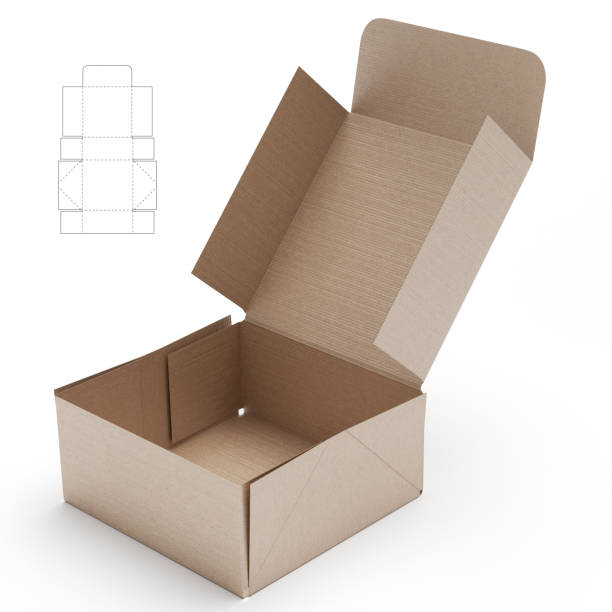



The best die cut boxes for most brands are mailer boxes, tuck end boxes, auto-lock bottom boxes, window boxes and sleeve boxes, with pillow, gable, display, crash-lock and handle boxes covering more specialized needs. The right choice depends on what you are packing, whether the box ships or sits on a shelf, and how quickly it needs to be assembled.
Die cut boxes are cut from a flat sheet of paperboard or corrugated board using a custom steel-rule die, so the shape, flaps, windows and locking tabs can match your product exactly. Below you will find what die cut boxes are, our top 10 styles compared side by side, how to choose materials and finishes, and the mistakes to avoid when ordering your first run.
What Is a Die Cut Box?
A die cut box starts as a flat sheet of material. A die, which is a set of sharp steel blades and creasing rules bent into the outline of the box, presses into the sheet to cut the shape and score the fold lines in one pass. The result is a flat blank that folds into a finished box, often without tape or glue.
Because the die is made for your design, the box can include features a standard carton cannot: custom flap shapes, interlocking tabs, hang holes, carry handles, cut-out windows and built-in inserts. Once the die exists, every box in the run comes out identical, which makes die cutting efficient for medium and large orders.
Common Materials
- Paperboard (folding carton): lightweight board used for retail boxes such as cosmetics, supplements and small electronics. Solid bleached sulfate (SBS) gives a bright white print surface; kraft board gives a natural brown look.
- Corrugated board: a fluted middle layer between two liners. Thin flutes such as E-flute suit premium mailer boxes, while thicker flutes such as B-flute add strength for heavier shipments.
- Rigid board: thick chipboard wrapped in printed paper for luxury presentation boxes. It is less common for die cut styles that fold flat.
- Plastic (PET or PVC): used for clear boxes and window film, though many brands now limit plastic to make recycling easier.
Are Die Cut Boxes a Packaging Trend?
Die cutting itself is a long-established manufacturing method, but custom die cut boxes have become far more popular with small brands. Direct-to-consumer shipping, subscription boxes and social media unboxing videos all reward packaging that looks intentional and protects the product. Digital printing and lower minimum order quantities from many packaging suppliers have also made custom boxes accessible to businesses that once relied on plain stock cartons.
Our Top 10 Die Cut Box Styles
These are the ten styles we recommend most often, ranked roughly by how widely useful they are. Each works for a different mix of shipping protection, shelf appeal and assembly speed.
| Style | Best for | Typical material | Assembly |
|---|---|---|---|
| Mailer box | E-commerce, subscription kits | Corrugated (E-flute) | Fast, no tape |
| Tuck end box | Cosmetics, supplements, small retail goods | Paperboard | Fast |
| Auto-lock bottom box | Heavier retail items, high-volume packing | Paperboard | Very fast |
| Window box | Food, toys, cosmetics that sell on looks | Paperboard with film | Fast |
| Sleeve and tray box | Gifts, premium products | Paperboard or rigid | Moderate |
| Pillow box | Jewelry, gift cards, small favors | Paperboard | Fast |
| Gable box | Bakery, party favors, takeaway items | Paperboard | Fast |
| Counter display box | Point-of-sale displays | Paperboard or corrugated | Moderate |
| Crash-lock box | Bulk goods, shipping heavier items | Corrugated | Very fast |
| Handle box | Gift sets, retail carry-out | Paperboard or corrugated | Moderate |
1. Mailer Boxes
The roll end front tuck mailer is the classic e-commerce box. It folds from one piece, locks with tabs and side dust flaps, and opens like a lid, which makes it popular for subscription and unboxing-focused brands. Printed inside and out, it doubles as a presentation box and a shipping carton for lighter items.
2. Tuck End Boxes
Straight tuck and reverse tuck end boxes are the standard retail carton for cosmetics, supplements, candles and small electronics. They are inexpensive, print well and stack neatly on shelves. They are not designed for heavy contents, so pair them with a shipping carton for e-commerce.
3. Auto-Lock Bottom Boxes
Also called snap-lock or 1-2-3 bottom boxes, these have a pre-glued bottom that locks into place when the box is opened. They support more weight than tuck end boxes and speed up packing lines because the bottom forms in one motion.
4. Window Boxes
A die cut window, often backed with clear film, lets customers see the product without opening the box. This works well for food, toys, socks, soaps and anything whose color or texture sells it. Keep windows away from fold lines and corners so the box keeps its strength.
5. Sleeve and Tray Boxes
A tray slides into an outer sleeve like a drawer. The style feels premium, offers a slow reveal and is easy to brand on both parts. It suits gift sets, chocolates and accessories, and the sleeve can be swapped for seasonal designs without changing the tray.
6. Pillow Boxes
Pillow boxes have curved ends that close by pressing them in. They are ideal for lightweight items such as jewelry, gift cards and event favors. They ship flat and look polished, but they offer little crush protection on their own.
7. Gable Boxes
Gable boxes have a built-in carry handle formed from the top panels. Bakeries, cafes and party suppliers use them for takeaway items and gift packs. Look for food-safe coatings if the box will touch food directly.
8. Counter Display Boxes
Display boxes have a die cut front and a raised header panel that carries your branding at the checkout counter. Many ship closed and convert into a display by tearing along a perforated line. They are a strong option for impulse products such as lip balm, snacks and hair accessories.
9. Crash-Lock Boxes
Crash-lock boxes use corrugated board with a glued bottom that locks the moment the box is opened. They hold heavier contents than paperboard styles, making them suitable for bottles, kitchenware and bulk packs.
10. Handle Boxes
Boxes with die cut handle holes or integrated handles turn the package into a carry bag. They are useful for gift sets, wine and retail purchases where the customer carries the box out of the store.
Pros and Cons of Die Cut Boxes
| Pros | Cons |
|---|---|
| Exact fit reduces movement and void fill | One-time die cost for custom shapes |
| Custom windows, handles and inserts | Minimum order quantities with many suppliers |
| Ship flat, saving storage space | Some styles take longer to assemble by hand |
| Paper-based styles are widely recyclable | Thin paperboard styles need an outer carton for shipping |
| Strong branding and unboxing experience | Design changes may require a new die |
How to Choose the Right Die Cut Box
Use this checklist before you request quotes:
- Measure the product precisely. Record inside length, width and depth, plus any inserts or padding. Boxes are specified by internal dimensions.
- Decide how the box will travel. If it ships directly to customers, choose corrugated mailers or crash-lock boxes. If it sits on a shelf inside a shipping carton, paperboard is usually enough.
- Match the board to the weight. Light cosmetics suit paperboard; glass bottles and heavier goods need corrugated board and often an insert.
- Plan the opening experience. Tuck flaps, tear strips and sleeves each create a different first impression.
- Think about assembly time. Auto-lock and crash-lock bottoms save minutes per box when you pack hundreds of orders.
- Choose finishes deliberately. Matte or gloss coatings, spot UV, foil stamping and embossing add appeal but also cost.
- Check recyclability. Mixed materials such as plastic windows or heavy laminates can make recycling harder for customers.
- Ask for a sample or prototype. A physical sample shows fit and print quality before a full run.
What Affects the Cost of Die Cut Boxes
Prices vary by supplier, but the same factors drive almost every quote. Knowing them helps you compare offers fairly:
- Quantity: setup costs are spread across the run, so unit prices drop as quantities rise.
- Die and tooling: a new custom shape needs a new die; standard shapes may use an existing one.
- Material and board grade: corrugated and premium paperboard cost more than basic board.
- Printing: full-color printing inside and out costs more than one-color or outside-only printing.
- Finishes and add-ons: foil, embossing, windows, inserts and special coatings each add to the price.
Example: Packaging a Hair Spray Product
Aerosol and spray products show why a custom box matters. A tall, narrow can rolls and dents easily in a generic carton, and retail buyers expect clear branding and product information on the front panel. A tuck end or auto-lock bottom box sized to the can, with a die cut insert to hold it upright, keeps the product secure and presents it neatly on the shelf.
If you sell a Private label hair hold spray, a custom die cut box gives your brand the front panel space, ingredient and usage details, and a secure fit that protects the can during shipping and handling. A small die cut window or a printed product image can show the can design without leaving the product exposed. For aerosols, also confirm with your carrier and packaging supplier how the outer shipping carton must be labeled.
How to Assemble and Use Die Cut Boxes
Most die cut boxes arrive flat, which saves storage space. To get the best results:
- Store flats in a dry place, since paperboard can warp in humid conditions.
- Pre-fold creases once before final assembly so panels close cleanly.
- Follow the supplier’s fold sequence, usually sides first, then dust flaps, then the locking flap or lid.
- Do a test pack with real products and real fillers before packing a full batch.
- Train anyone packing orders on the correct sequence so boxes look consistent.
Common Mistakes When Ordering Die Cut Boxes
- Ordering by outside dimensions instead of inside dimensions, leaving the product too tight
- Choosing thin paperboard for products that ship directly to customers
- Placing important text or logos too close to fold lines and cut edges
- Skipping a prototype and discovering fit problems after a full print run
- Adding several finishes at once without checking the impact on cost and recyclability
Bottom Line on Choosing Die Cut Boxes
For most online brands, a printed corrugated mailer box is the safest first choice. Retail products usually do best in tuck end or auto-lock bottom paperboard boxes, with window, sleeve, pillow or display styles when presentation matters most. Measure carefully, match the material to the product weight, and order a sample before committing to a full run.
For more practical guides, read Navigating Modern Washing Machine Innovations: Common Challenges and Practical Solutions or browse our Business category.
Frequently Asked Questions
What are die cut boxes?
Die cut boxes are boxes cut from a flat sheet of paperboard or corrugated board using a custom steel-rule die. The die cuts the outline and scores fold lines in one pass, so the box can have custom shapes, windows, handles and locking tabs.
Are die cut boxes good for shipping?
Corrugated die cut styles such as mailer boxes and crash-lock boxes are well suited to shipping. Thin paperboard styles such as tuck end boxes are better for retail shelves and usually need an outer shipping carton.
Are die cut boxes eco-friendly?
Paperboard and corrugated die cut boxes are widely recyclable, especially when made with recycled content and printed with minimal plastic coatings. Plastic windows and heavy laminates can make recycling harder.
Why do custom die cut boxes cost more at first?
A custom shape requires a die to be made, which is a one-time setup cost. Once the die exists, the cost per box falls as order quantities rise.
What size die cut box do I need?
Measure the product’s length, width and depth, then add room for any inserts or padding. Suppliers usually quote boxes by inside dimensions, so give them those measurements rather than outside sizes.