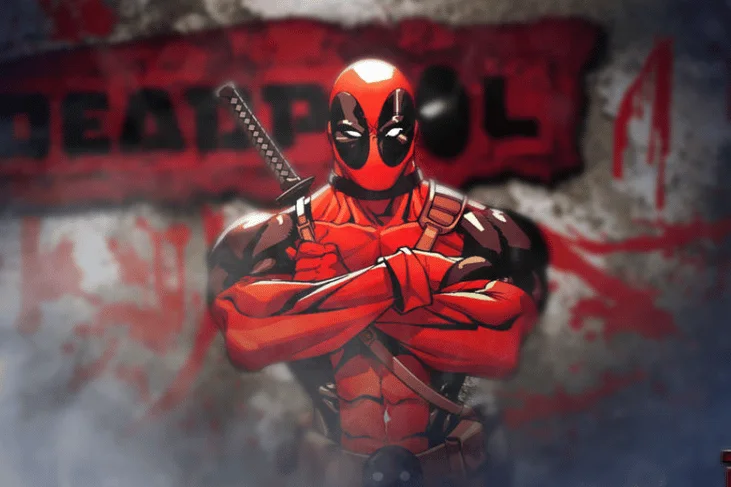



The Deadpool face is scarred because Wade Wilson’s transformation changed his body while he was fighting cancer. His accelerated healing keeps him alive, but it does not restore his original appearance. In the movies, his disfigurement begins during the experiments that awaken his regenerative abilities.
That unusual appearance is more than a visual joke or costume detail. It helps explain why Wade hides behind the famous red-and-black mask. It also separates him from polished superheroes whose powers leave them looking almost untouched.
| Quick fact | What to know |
|---|---|
| Real name | Wade Wilson |
| Why his skin changes | Experimental treatment activates extraordinary regeneration. |
| Major complication | His body is also affected by cancer. |
| Why he stays scarred | Healing and damaged tissue remain locked together. |
| Does the mask cause the scars? | No |
| Movie actor | Ryan Reynolds |
| Is Reynolds really scarred? | No, the appearance uses professional prosthetic makeup. |
| Can Wade heal injuries? | Yes, at an extraordinary rate. |
Direct answer: Wade’s damaged appearance comes from the same transformation that gives him his healing ability. His regeneration can repair extreme injuries, but his body does not simply reset to healthy skin. The films connect his disfigurement with the experiments performed after his cancer diagnosis.
Why the Deadpool Face Looks Burned or Scarred
Viewers sometimes describe Wade’s skin as burned because its texture resembles severe scar tissue. The story does not treat ordinary fire as the main cause, though. His appearance develops after the experimental process that changes his body.
In the 2016 film, Wade enters the program after learning that he has terminal cancer. Ajax and his team subject him to extreme physical stress while attempting to activate dormant mutant abilities. The process eventually triggers his regenerative power while leaving him visibly disfigured.
This distinction matters because it explains why regular healing does not solve the problem. Wade can recover from injuries that would kill an ordinary person. His damaged appearance is tied to the altered condition of his body itself.
Why Doesn’t His Healing Factor Fix His Skin?
At first, the situation appears contradictory. A man who can recover from bullets and catastrophic injuries should seemingly repair damaged skin easily. The fictional explanation becomes clearer once cancer and regeneration are considered together.
Many versions of the story describe Wade’s healing ability as working alongside cancerous cells rather than replacing his body with healthy tissue. His regeneration therefore preserves a body already undergoing abnormal cellular activity. This ongoing conflict helps explain why his skin remains heavily marked.
That also separates his power from a cosmetic repair system. Regeneration keeps his body functioning and allows extraordinary recovery. It does not guarantee that he returns to his pre-experiment appearance after every injury.
What Happened to Wade Wilson in the First Movie?
Wade begins the first movie with an ordinary appearance and a dangerous cancer diagnosis. He agrees to an experimental treatment after being promised both survival and extraordinary abilities. The offer eventually places him under Ajax’s control.
The experiments involve prolonged physical abuse intended to force a mutation. Wade’s abilities eventually emerge, but the procedure leaves his skin extensively altered. He then believes Ajax may know how to restore his former appearance.
That belief drives a large part of the first film’s conflict. Wade hunts Ajax while remaining separated from Vanessa because he fears her reaction. His scars therefore affect both the action plot and his emotional story.
His Appearance Is Also Part of His Character
The scars give Wade a vulnerability that contrasts with his constant joking. He can survive extraordinary violence, yet he remains deeply aware of how people react to his appearance. That insecurity helps explain both his mask and his defensive humor.
Ryan Reynolds has discussed the importance of giving the character a reason for his aggressive personality and endless jokes. He said the scarred appearance helps explain why this unusually abrasive character behaves the way he does. The physical transformation therefore supports the personality rather than existing only for shock value.
The idea fits a broader pattern in superhero storytelling. Costumes often represent identity, but Wade’s mask also gives him control over how strangers see him. Readers interested in screen personas can compare this with WatchingHub’s Steve Carell face and movie-makeup guide, which looks at how professional makeup changes an actor’s appearance.
How Ryan Reynolds Gets the Scarred Look
Ryan Reynolds does not have Wade’s fictional skin condition. Makeup artists create the effect with carefully designed prosthetics and coloring. The goal is to keep his expressions recognizable while transforming nearly the entire surface of his head.
Production notes for the first film describe makeup department head Bill Corso developing thin silicone pieces for the design. Reynolds reportedly wore ten paper-thin silicone appliances across his head for the scarred appearance. Full-body sequences demanded even more extensive makeup work.
The result had to work at close range because Wade spends important scenes without his mask. The makeup could not appear like one rigid shell. It needed enough detail and flexibility for emotion, jokes, and dramatic close-ups.
Why the Mask Matters So Much
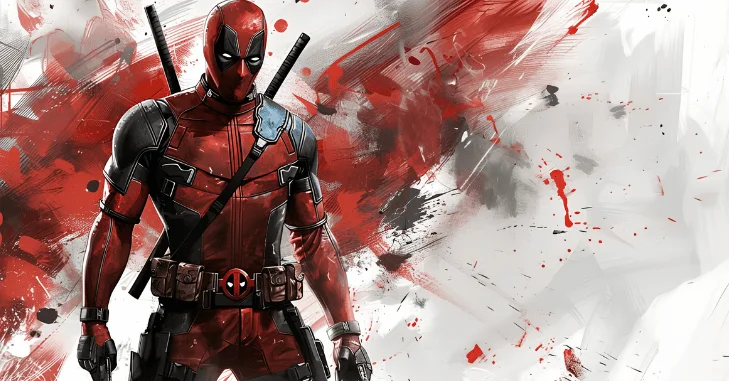
The red mask has become one of the most recognizable elements of the character. It hides his scars, but it also gives him an exaggerated visual personality. The black eye areas and white lenses make expressions readable even when his features remain covered.
That design fits a hero whose communication depends heavily on reactions and comedy. A masked expression must still tell viewers whether Wade is confused, angry, pleased, or mocking someone. Similar visual shorthand helps explain why expressive character images spread so effectively online, as WatchingHub’s anime meme and reaction-image guide shows.
The mask also changes the usual superhero formula. Many heroes cover their faces mainly to protect their identities. Wade often uses his mask because he feels more comfortable controlling what other people see.
Is His Appearance the Same in the Comics and Movies?
The broad concept is similar, but details vary between adaptations. Comics have changed writers, artists, timelines, and explanations across decades. Individual stories can therefore portray the severity and mechanics of his condition differently.
The films give mainstream audiences a cleaner origin story. Cancer, experimentation, mutation, regeneration, and disfigurement are connected in one continuous chain. That makes the character easier to understand without extensive comic-book history.
Some comic stories have also temporarily changed or restored his appearance. Those changes do not erase the scarred design as one of his defining visual features. The movies have consistently preserved that recognizable version.
Is Deadpool’s Face Supposed to Look Like Ryan Reynolds?
The underlying facial proportions naturally resemble Reynolds because he performs beneath the makeup. The prosthetic team did not try to erase every recognizable feature. Instead, they altered those features enough to create Wade’s mutated appearance.
That choice is important for emotional scenes. Audiences can still read Reynolds’s eyes, mouth, and expressions beneath the prosthetic work. The character feels transformed without becoming visually disconnected from the actor.
This is a common challenge in movie makeup. An effective transformation must create a new character while preserving enough movement for the performance. WatchingHub covers more actor and film-related features in its Entertainment section.
Why the Scarred Look Became So Recognizable
Superhero films often make their central characters appear physically idealized. Wade turns that expectation around because his transformation visibly costs him something. His appearance constantly reminds viewers that gaining his abilities was not a clean victory.
That contrast also makes the red costume more memorable. The audience knows what is hidden beneath it, so removing the mask carries more meaning than a simple identity reveal. His appearance becomes part of the storytelling language.
Recognition also grows through movies, promotional images, clips, GIFs, and fan culture. Familiar faces can become cultural symbols long after one movie leaves theaters. WatchingHub explores that broader idea in its look at the most famous person in the world and how public recognition develops.
Frequently Asked Questions About the Deadpool Face
Why is the Deadpool face scarred?
Wade becomes scarred after the experiments connected with activating his regenerative ability. His cancer and altered healing process complicate how his body repairs itself. The result is a permanently disfigured appearance in the main movie continuity.
Was Wade Wilson born with those scars?
No, the movie version begins with a normal appearance. His skin changes after he enters the experimental program following his cancer diagnosis. Flashbacks make the before-and-after difference especially clear.
Why doesn’t his regeneration make him handsome again?
His ability repairs severe injuries, but it does not simply restore his body to its original condition. The fictional biology links his regeneration with a body already affected by cancer. His healing power therefore keeps him alive without reliably restoring normal skin.
Is Ryan Reynolds wearing makeup under the mask?
The scarred appearance is created through professional prosthetic makeup when his face is visible. The famous red mask is a separate costume element. Reynolds’s natural face appears during scenes set before Wade’s transformation.
Can Wade ever get his normal appearance back?
Some comic stories have temporarily changed or restored his appearance. Those events depend on the particular storyline and continuity. The film series has kept the scars as a central part of his established look.
The Bottom Line
Wade’s scarred appearance is closely tied to the origin of his regenerative powers. The same transformation that lets him survive devastating injuries also leaves permanent visible consequences. That tension makes the character’s appearance meaningful rather than decorative.
His mask hides those scars while giving him one of superhero cinema’s strongest visual identities. Underneath it, the makeup reminds viewers that Wade’s abilities came with a personal cost. For more character, movie, and pop-culture explainers, browse WatchingHub’s entertainment coverage.